Rawka
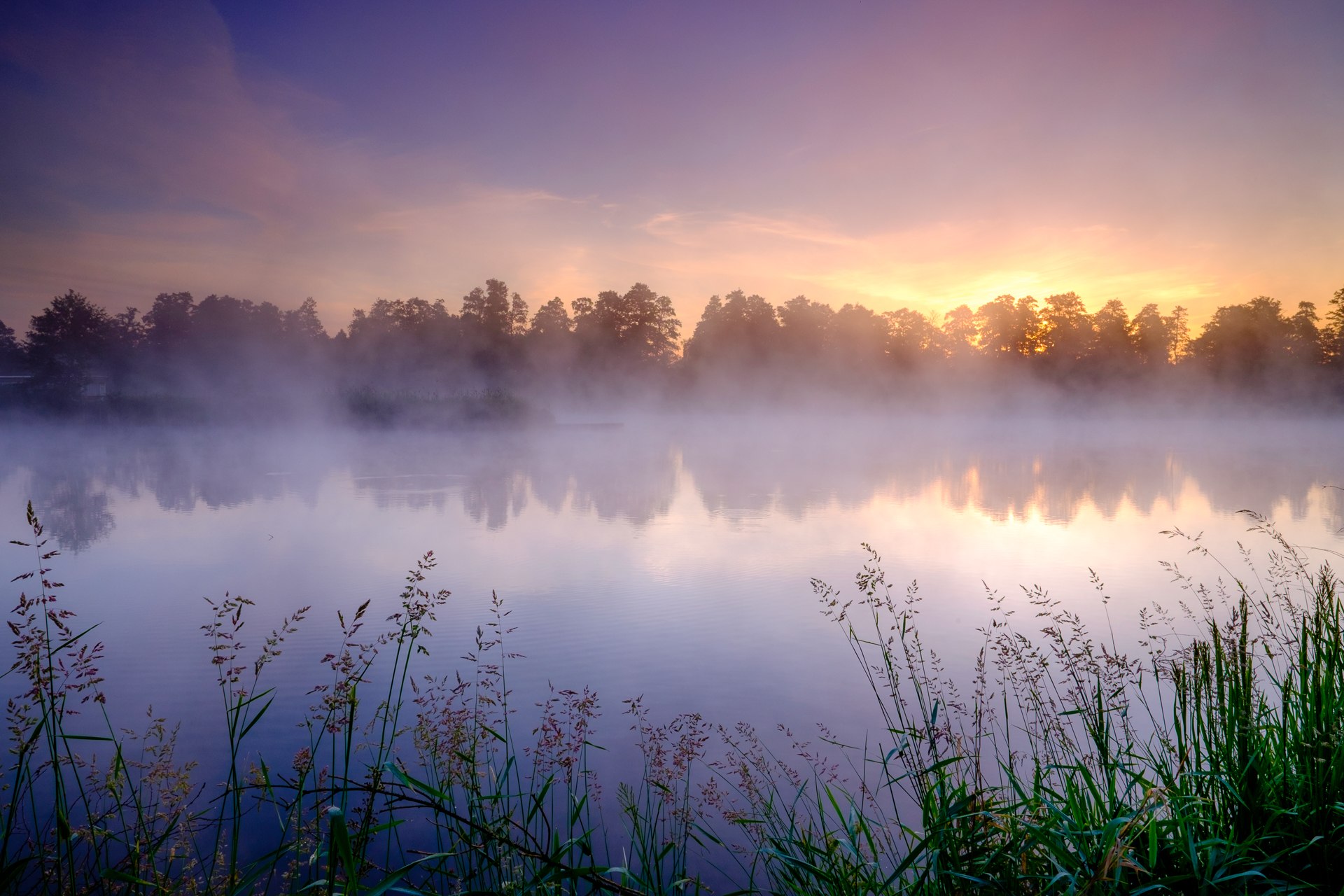
The river, backwaters and beaver habitats.
Bolimów Forest
Woodland, river backwaters and open clearings. Take a breath away from the city.
1986
the park was established
23,614 ha
park including its buffer zone
Over 60%
of the area is forest
Suggestions are based on “Odetchnij lasem”, an original guide to Bolimów Forest created by the hosts of Patoki. Dom i las. They offer inspiration for a forest outing, not precise navigation directions.
Park map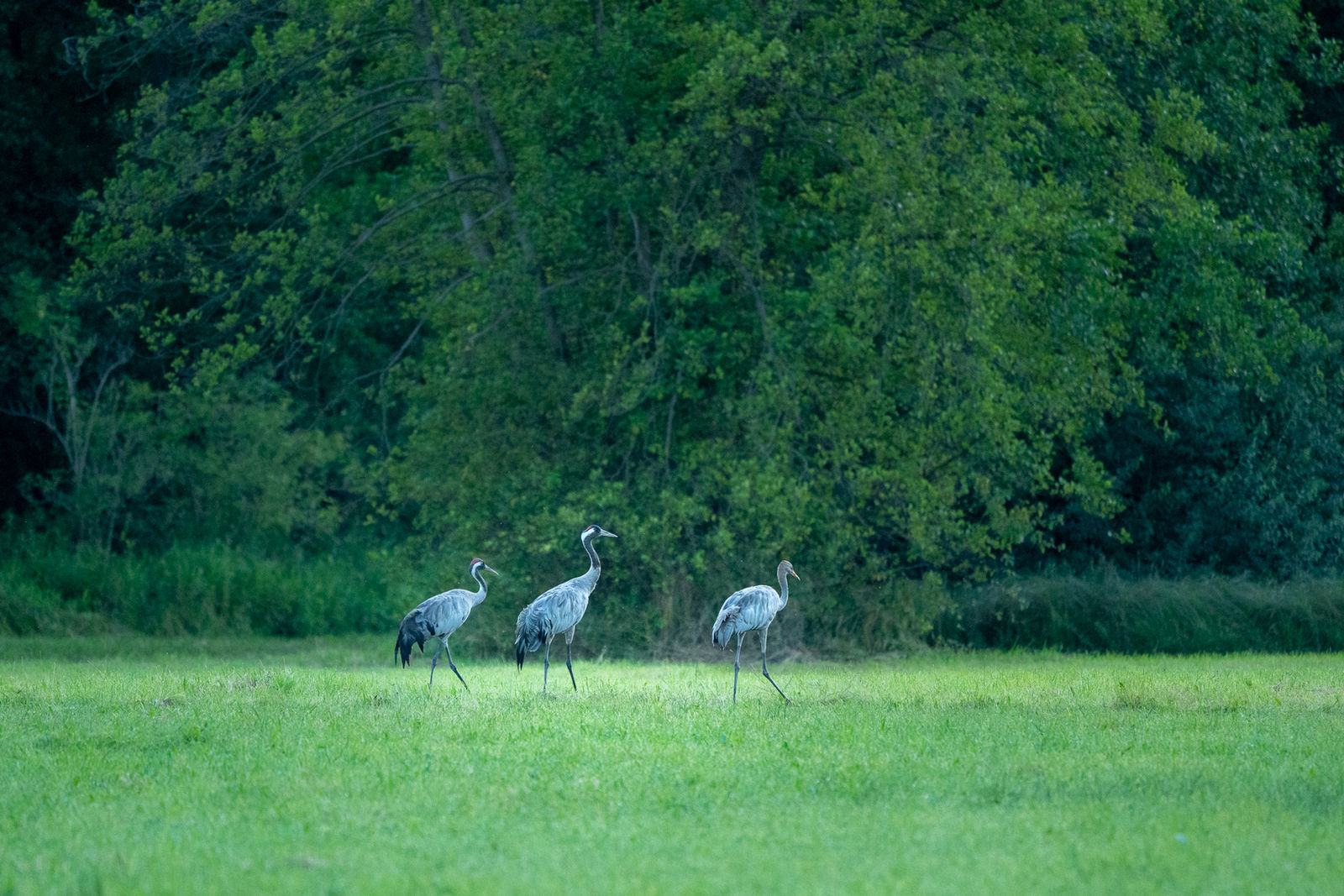
Bolimów Landscape Park
Woodland, wetlands, river backwaters, peat bogs and forest clearings form a varied landscape in central Poland. Established in 1986, the park and its buffer zone cover 23,614 hectares, over 60% of which is forest.
It is a refuge for protected plants and animals. Species described on the Patoki websites include beavers, otters, black storks, kingfishers, white-tailed eagles and cranes. Wildlife watching takes patience; every encounter is left to nature.
What can I do here?
Botanical & photography workshops
Set out at dawn with a guide and photographer. Explore woodland, wetlands and meadows, observe the waking forest, look for animal tracks and learn nature photography. Outings can also include nature reserves where conservation rules permit access.
Wildlife encounters are never guaranteed. Dates and the programme are agreed individually.
Packages are for the Forest House; inclusions and prices are confirmed individually.
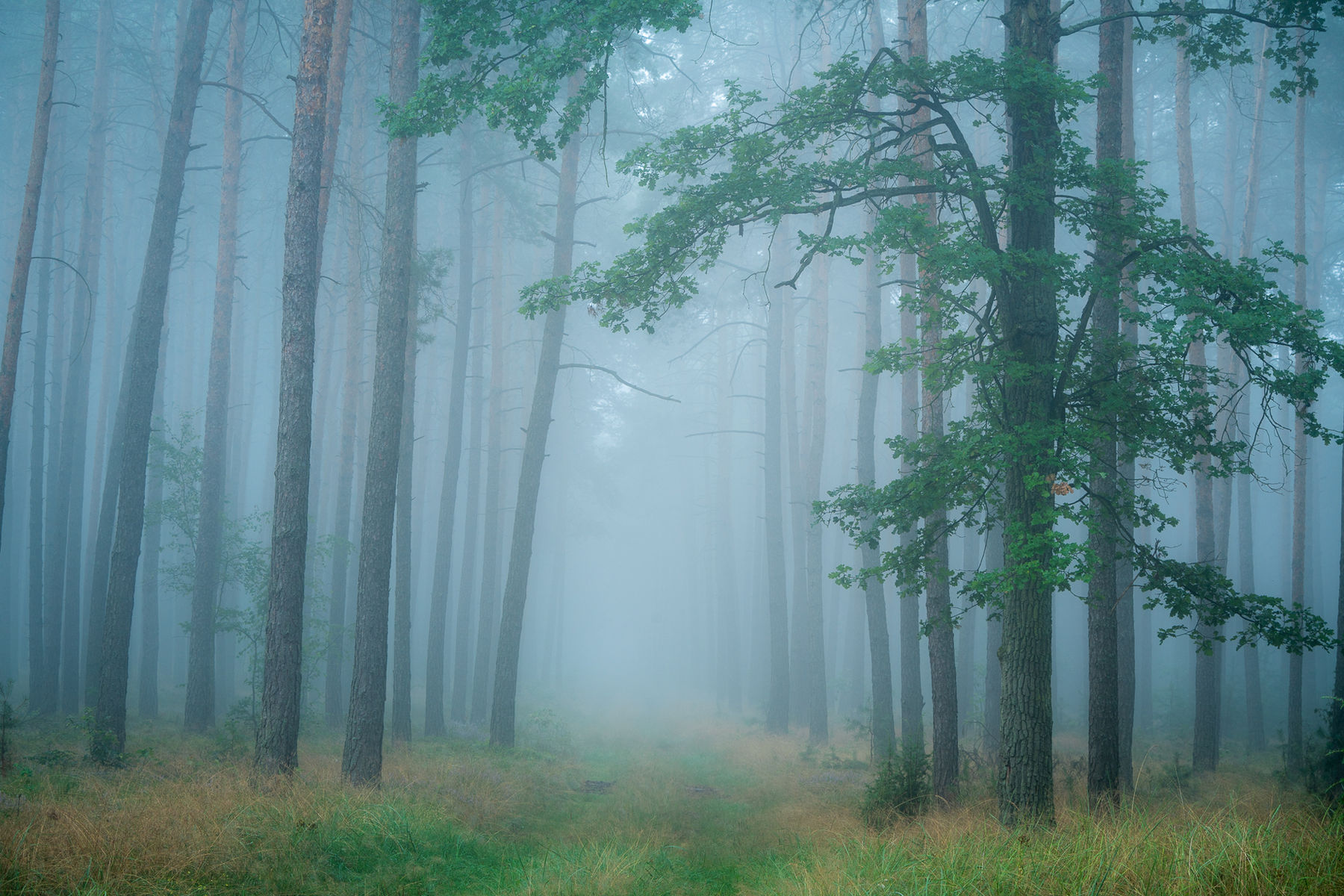
Woodland and plants
Bolimów Forest is a mosaic of pine woodland, deciduous forest, alder woods and open clearings. Alongside drier woodland paths are wet hollows, peat bogs and meadows, each with its own character.
This variety of habitats supports woodland plants, rare grasses and aquatic vegetation. Particularly valuable landscapes survive in the nature reserves, from the alder woods of Ruda-Chlebacz to the deciduous forest of Puszcza Mariańska.
Today’s forest is not entirely primeval. Managed woodland sits alongside protected areas, while clearings also recall earlier settlements.
What can I do here?
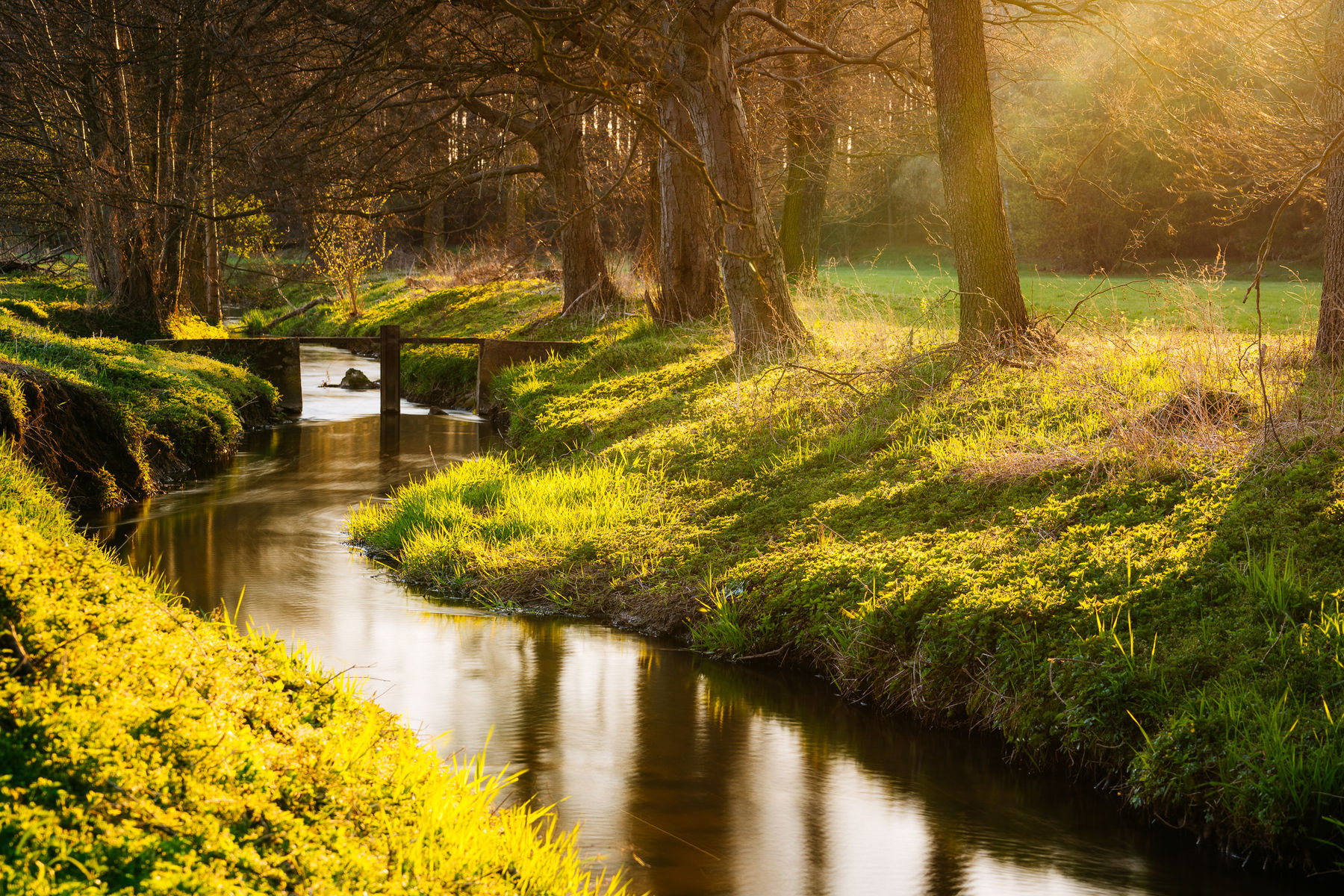
The Rawka and Chojnatka valleys
The Rawka River nature reserve covers almost 500 hectares. Just 2 kilometres from the Observatory, you can explore the river landscape, its backwaters and beaver habitats.
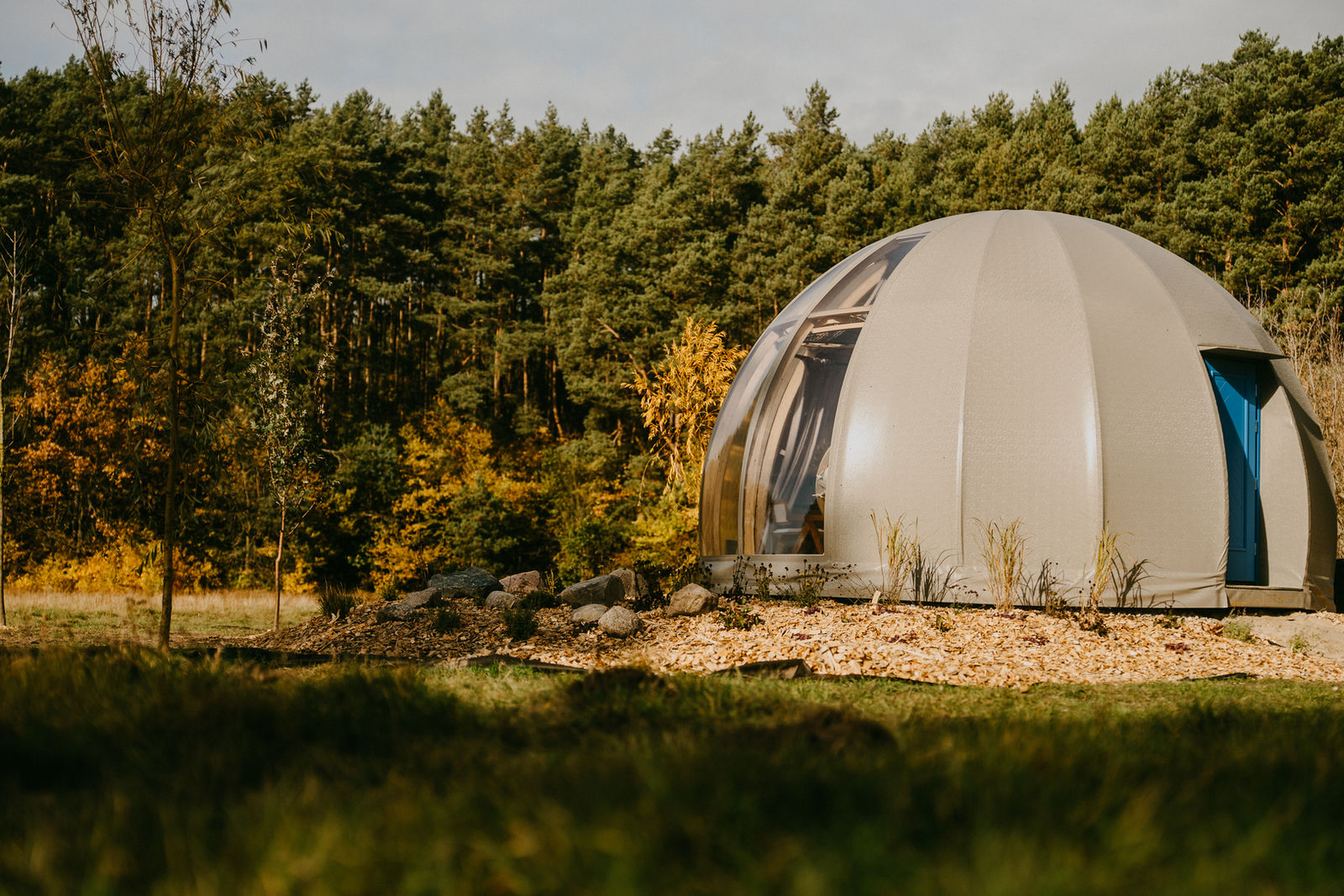
The domes themselves stand in the Chojnatka valley, beside a tributary of the Rawka. Rivers, woodland streams, backwaters and wetlands are an important part of the park’s natural character.
Marshy meadows and backwaters provide habitats and breeding grounds for waterbirds. Rather than a single attraction, this is a changing landscape of water among trees, open clearings and traces of beaver activity.
What can I do here?
Kayaking on the Rawka
Swap the woodland path for the meandering Rawka. A kayak trip reveals the valley, trees and riverbanks from a different perspective. Choose a section suited to everyone’s experience.
Routes, river conditions and availability are agreed before the outing. Kayaking takes place on the Rawka, not the Chojnatka.
Packages are for the Forest House; inclusions and prices are confirmed individually.
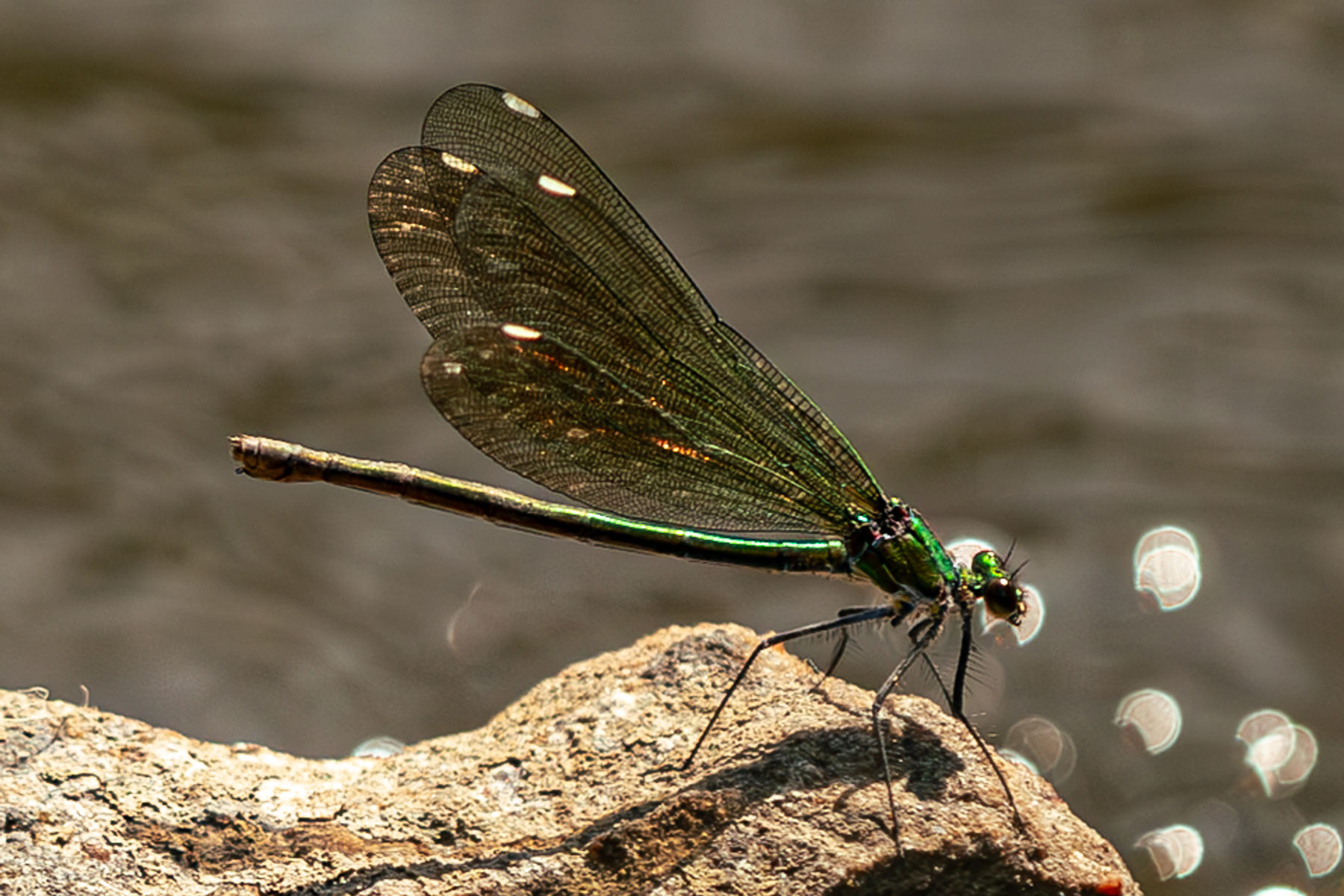
Natura 2000
The Patoki websites describe four Natura 2000 areas associated with the park’s surroundings: the Rawka Valley, Bolimów Forest Clearings, Grabinka Valley and Żuków Meadows.
The forest’s natural value extends beyond its trees. River valleys, wetlands and open meadows are equally important habitats for valuable plants, birds and insects.
The landscape park, nature reserves and Natura 2000 areas reveal different faces of the same surroundings. Take time to look closely rather than treating nature as a checklist of places to visit.
What can I do here?
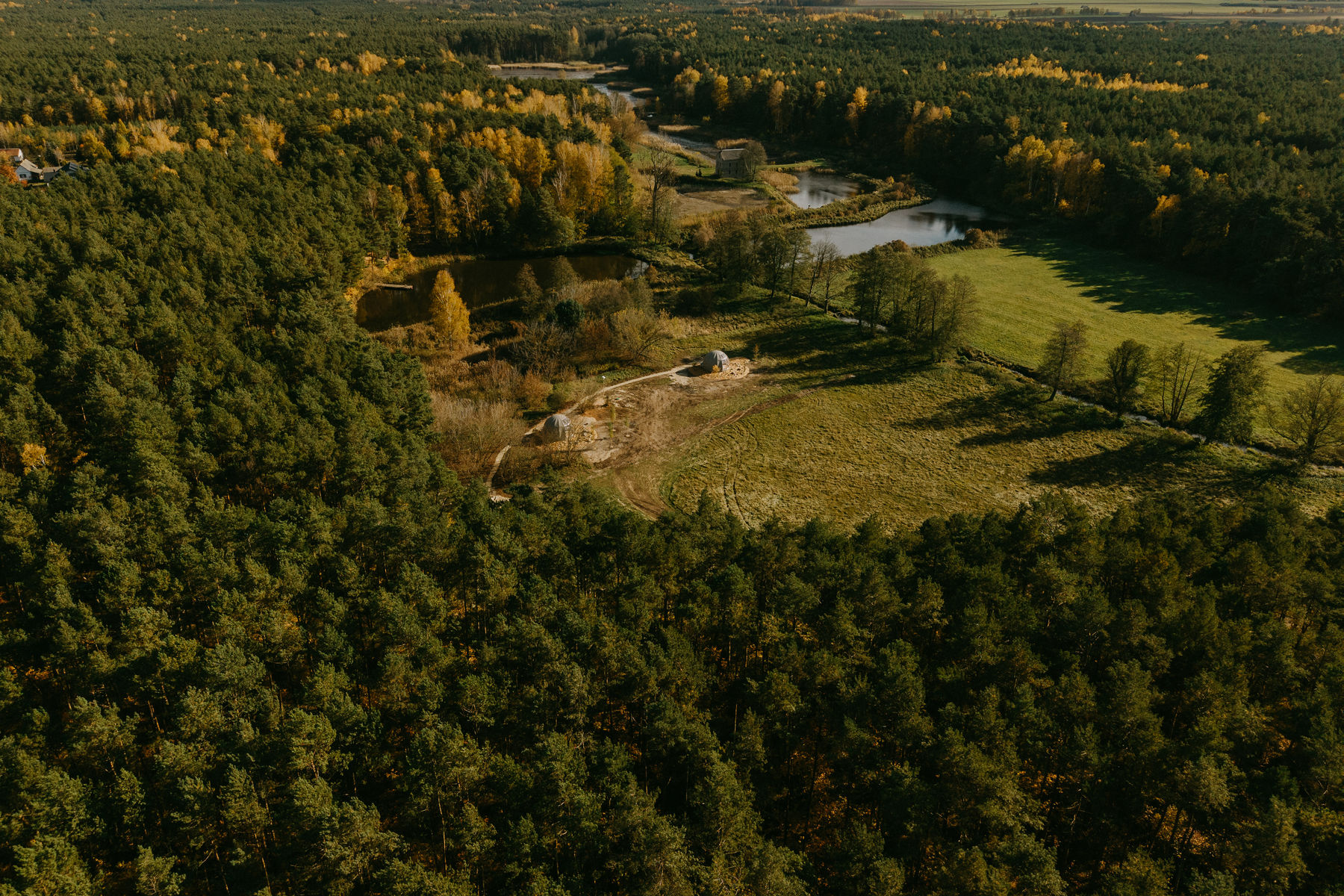
History in the woodland
The park’s boundaries recall the old forests of Mazovia. Today’s landscape also bears the marks of human work: much of the woodland is managed, while village names preserve the story of earlier settlements.
The word “Budy”, found in names such as Budy Grabskie and Budy Zaklasztorne, recalls woodland settlers who produced tar, charcoal and tannins while living in temporary huts. Some of these settlements survived and grew into villages.
What can I do here?
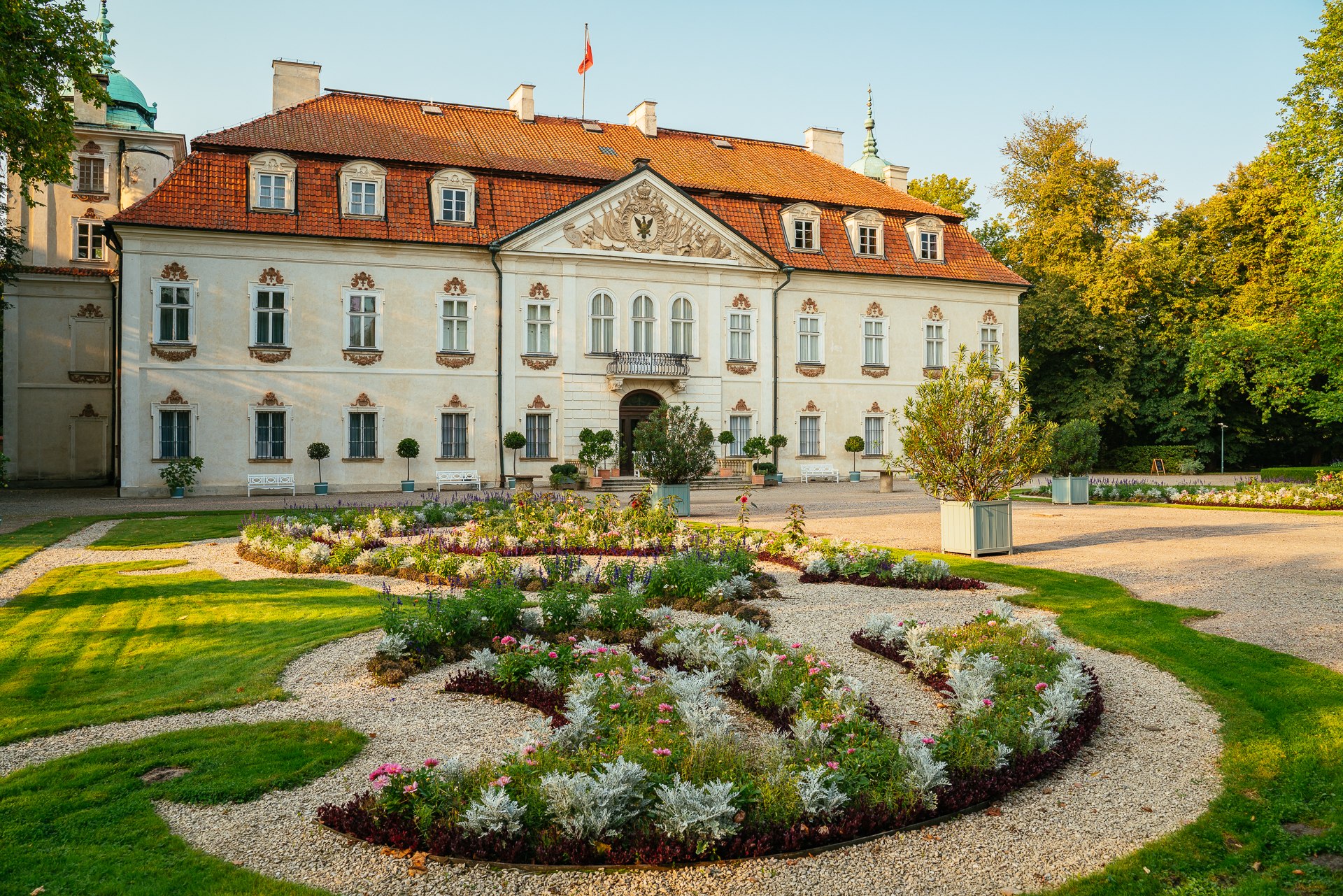
Nieborów and Arkadia
In the north of the park lies Nieborów, a former Radziwiłł estate with a Baroque palace, gardens and a farm complex. It offers a day combining a walk with the history of the region.
Nearby Arkadia is a romantic English-style garden. Its buildings include an aqueduct dating from 1784 and an amphitheatre designed by Henryk Ittar in 1801.
What can I do here?
E-bikes · families welcome
Explore more woodland roads on ORBEA WILD bikes — even as far as Nieborów. Choose a guided or independent outing, or a family trip with child trailers. Match your pace and route to your abilities and the youngest participants.
Rental costs extra. Bikes, trailers, guide availability and outing terms are confirmed before your stay.
Packages are for the Forest House; inclusions and prices are confirmed individually.
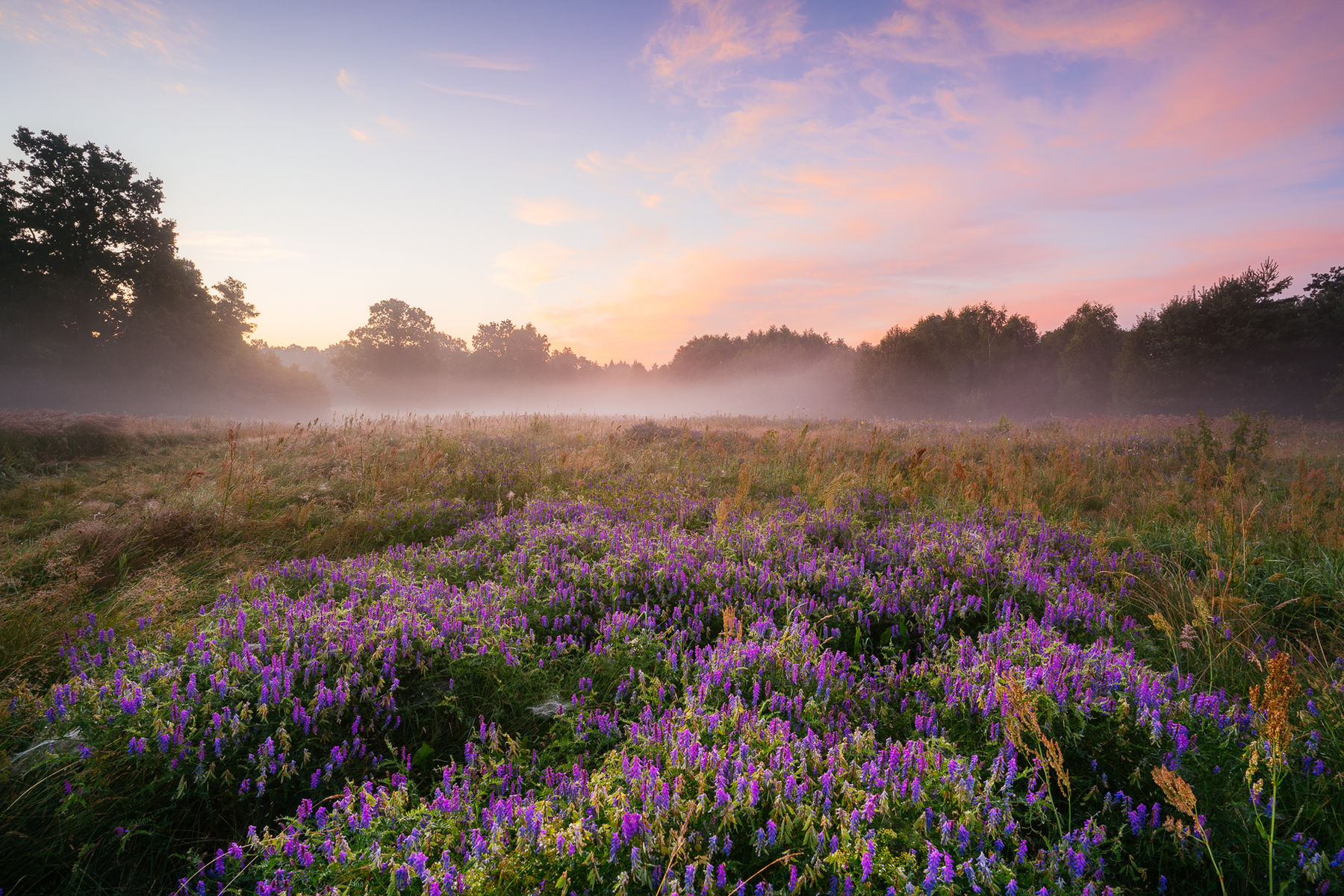
On foot, by bicycle or on horseback
Woodland paths, walking routes and cycle trails lead through clearings, river valleys and traces of local history. The area also lends itself to horse riding and kayaking on the Rawka.
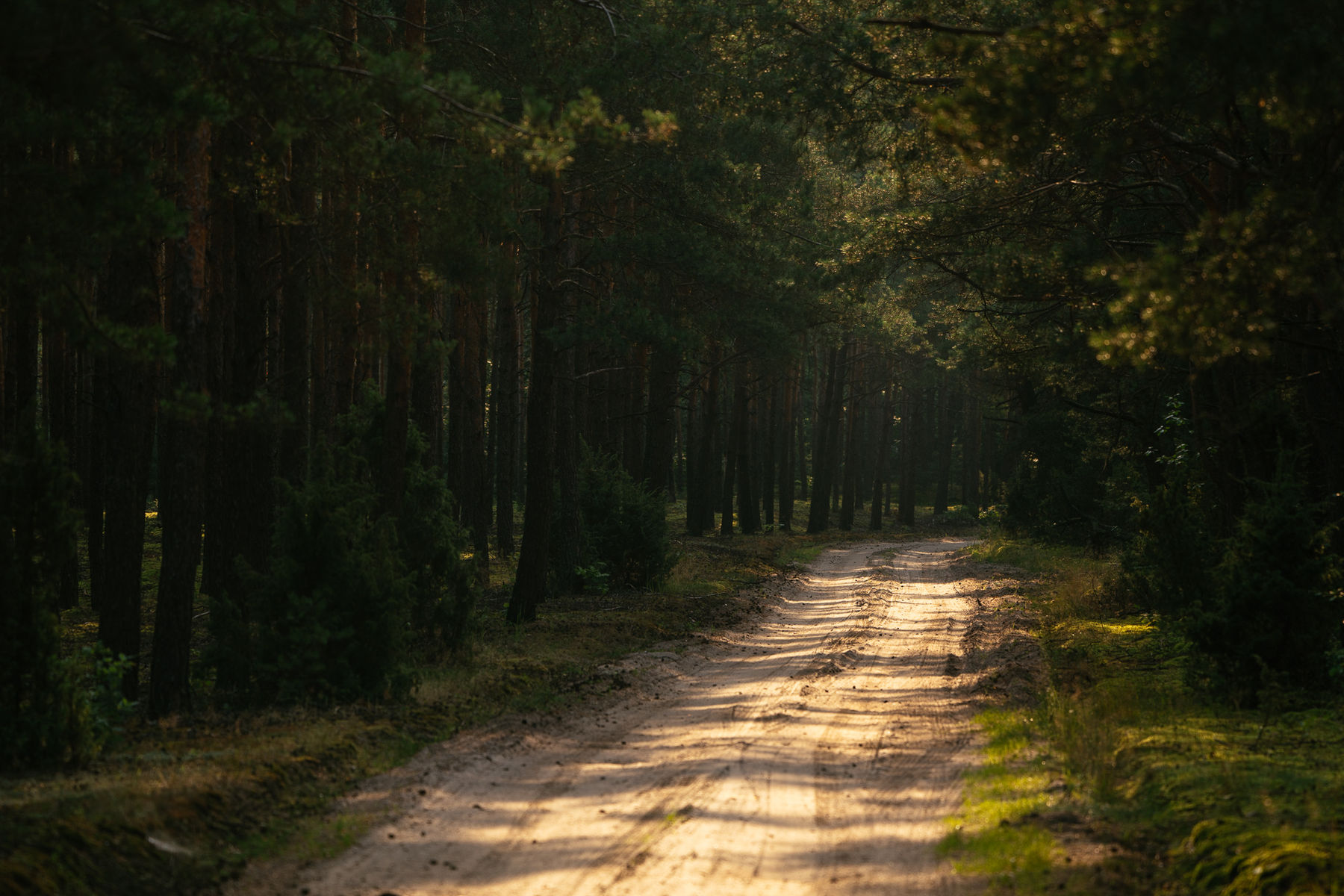
Educational trails offer a closer look at the forest, while longer routes explore its varied landscapes. The Forest House stands beside two cycle routes; this location detail applies to the house, not the domes.
Along the way are manor houses, parks, roadside shrines and remnants of the First World War, including trenches and former artillery positions. Choose a route suited to your abilities; less accessible places are best explored with a guide.
What can I do here?
The river, backwaters and beaver habitats.
Peat bog and wetland scenery.
Alder woodland.
A century-old deciduous forest.
Marshy meadows sheltering birds and insects.
The Bolimów Landscape Park map shared on the Patoki website helps you explore the area before your visit. The map is in Polish.
Open the park mapExplore experiences and activities